

Dose of Paranoia - 2026-07-20
It gets worse before it gets worse
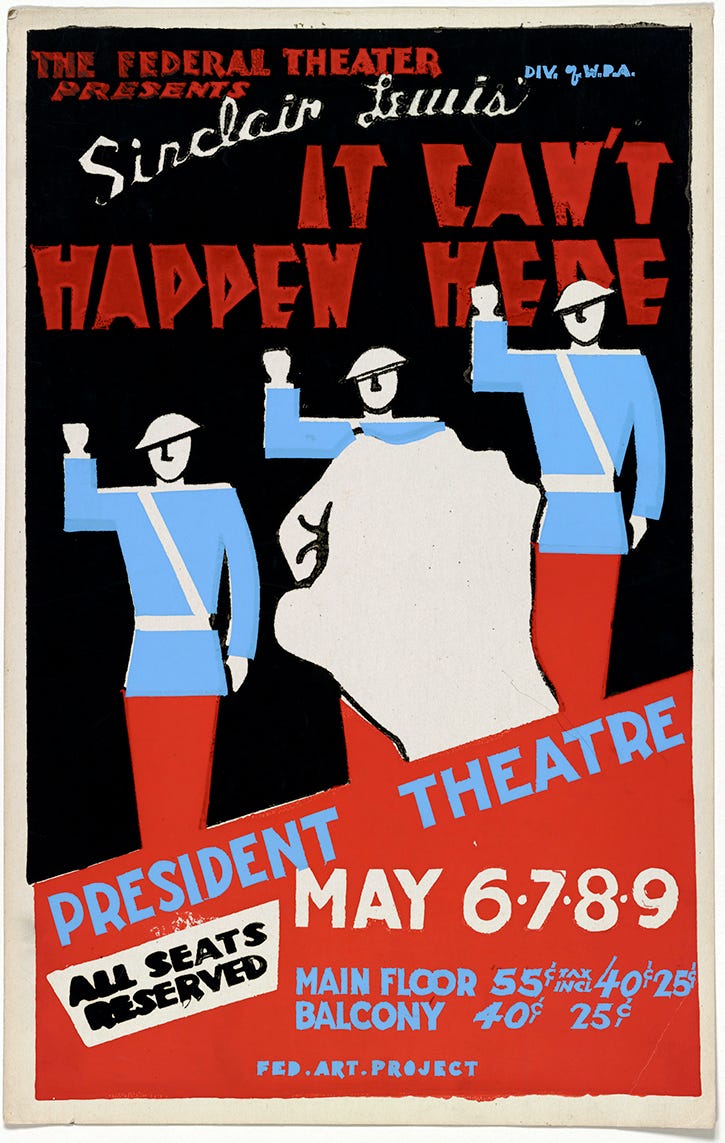
Or maybe it can (and is)?
I went down a bit of a rabbit hole this weekend. It all started with watching the movie Nuremberg on Netflix. This 2025 film was based on the experiences of Dr. Douglas Kelley, a psychiatrist who was brought in by the US Army to analyze and care for the 22 most senior members of the Nazi party in between their capture and their unprecedented trial at Nuremberg. Kelley spent many hours preparing profiles of his patients, including Hermann Goering, Hitler’s deputy and designated successor. After the trials, in 1947, he wrote a book called 22 Cells in Nuremberg.
I downloaded and read the book. It was fascinating – and it was chilling in three main ways:
First - aside from Rudolf Hess, the top Nazis were relatively sane, normal people with personality traits that will seem uncomfortably familiar to anyone keeping an eye on America’s (and other populist led nations’) current leaders. The Nazis and their followers were not aliens or a special breed of human – they were very similar to us.
Second – in the last chapter of the book, titled “What Does it Mean to America?,” Kelley ties this to us in a prescient way. He tells us that “I am convinced that there is little in America today which could prevent the establishment of a Nazi like state.” This was in 1947, right after World War II with the memory of the Nazi concentration camps fresh in American minds.
Third – Kelley prescribes 4 common sense steps America should take to prevent such a state from being established here:
Ensure that all citizens are truly free to vote
Ensure all eligible citizens cast their ballot in every election
Refuse to vote for people who makes political capital out of emotion laden terms
Reform our education system to teach children to think critically
It seems to me that we have not only miserably failed in all four of these goals, but that the current trajectory of our country is to reverse what progress we have made in every one of these areas.
According to the film, Kelley’s book was not well received in post war America – it was seen as “America bashing,” but I was not able to find book reviews or articles at the time to back this up. The film connected his death by suicide in 1958 as being connected to the book’s reception and his experience in Nuremberg – this may be dramatic license, as it seems like he had some other problems at the time, but in any event, his findings are disturbingly relevant to today’s headlines and should serve as a stark warning to us all.
On a lighter note…
Here is an interesting tool to visualize the rhythm of your text… when I pasted this edition of the Dose into it, it scolded me for my too long sentences. Something to think about… do you find my wordy sentences too long?
I am glad that someone is thinking about the truly important issues…
You want some art??? I gotcha art right here, pal…
Always glad to see you post, but would like to hear your latest take on the developing intersection of AI and security.